30 High Protein Snacks That Are Healthy and Portable
What Are High Protein Snacks?
High protein snacks are convenient, portion-controlled foods designed to deliver a significant amount of protein per serving typically ranging from 5 to 20 grams or more while being low in added sugars, unhealthy fats, and excessive calories. They are ideal for curbing hunger between meals, supporting fitness goals, and maintaining steady energy levels throughout the day.
Table of Contents
Why High Protein Snacks Are Important for Energy and Health
Protein is a fundamental macronutrient essential for nearly every bodily function. Unlike carbohydrates, which can cause rapid spikes and crashes in blood sugar, protein provides sustained energy by slowing digestion and promoting satiety. Adequate protein intake supports immune function, hormone production, enzyme activity, and the repair of tissues making it vital for overall health, not just athletic performance.
Benefits of Eating High Protein Snacks
High Protein Snacks Help Support Muscle Growth and Recovery
After physical activity, especially resistance training, your muscles undergo microscopic damage that requires protein to repair and rebuild. Consuming a high-protein snack within 30-60 minutes post-workout provides the amino acids (particularly leucine) needed to stimulate muscle protein synthesis, reducing soreness and accelerating recovery. Even on rest days, regular protein intake helps maintain lean muscle mass, which is crucial for metabolism and strength as we age.
protein-rich snacks Can Keep You Fuller for Longer
Protein is the most satiating macronutrient. It influences hunger hormones like ghrelin (which stimulates appetite) and peptide YY (which promotes fullness). A snack rich in protein takes longer to digest than one high in refined carbs, leading to prolonged feelings of satisfaction and reduced likelihood of overeating at the next meal. This makes high-protein snacks a powerful tool for managing appetite naturally.
protein-rich snacks May Support Weight Management Goals
By promoting satiety and preserving lean muscle mass during calorie restriction, high-protein snacks can aid weight loss or maintenance efforts. Muscle tissue burns more calories at rest than fat tissue, so maintaining muscle helps sustain a healthy metabolic rate. Additionally, the thermic effect of food (the energy used to digest, absorb, and process nutrients) is higher for protein than for carbs or fat, meaning your body burns more calories simply processing protein-rich snacks.
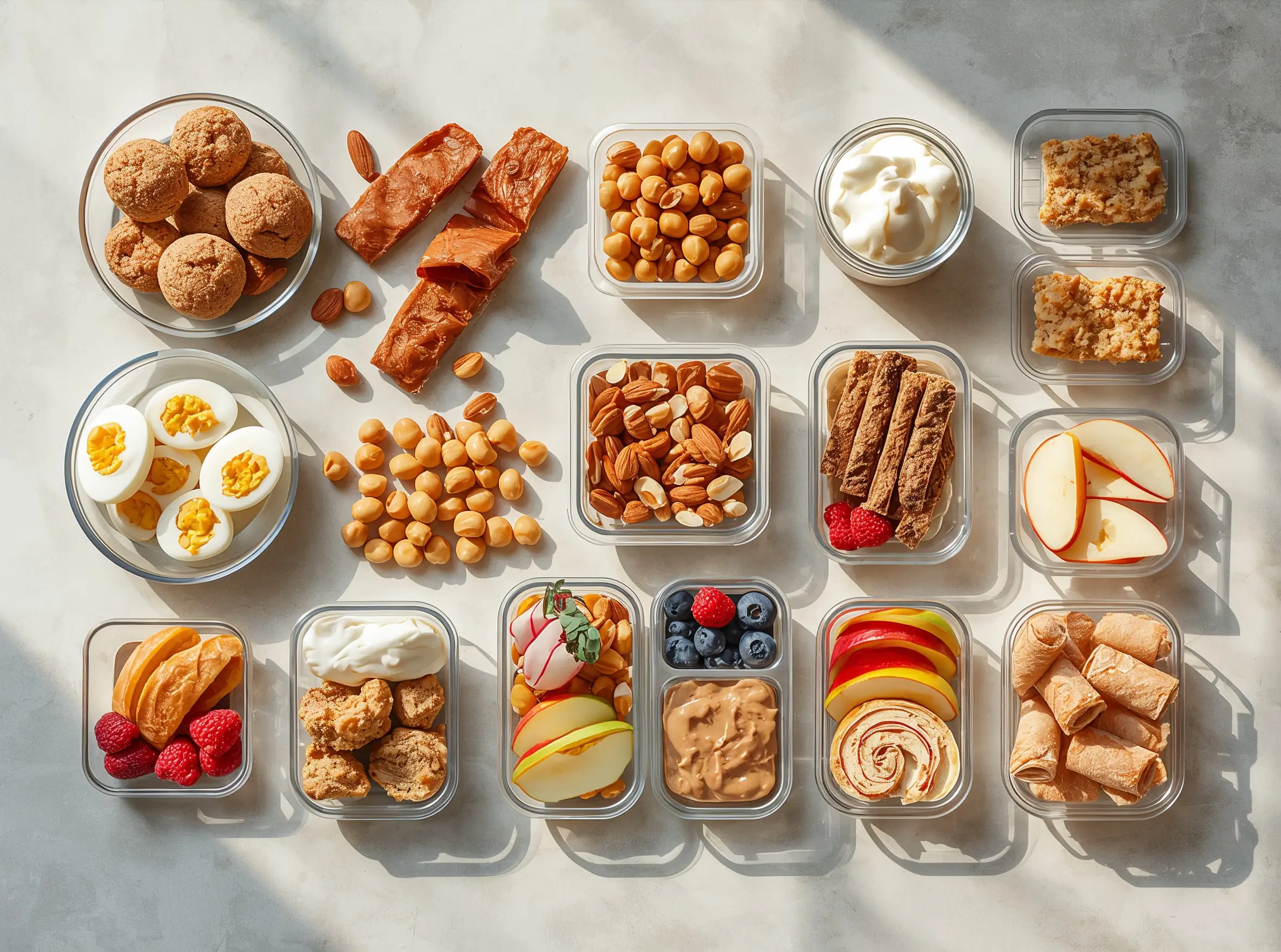
30 High Protein Snacks That Are Healthy and Portable
High Protein Snacks With Dairy
- Greek yogurt: Opt for plain, unsweetened varieties (15-20g protein per 6oz serving). Add berries or a sprinkle of nuts for flavor and fiber.
- Cottage cheese cups: Single-serve containers offer 12-14g protein per 1/2 cup. Choose low-sodium versions and pair with pineapple or cherry tomatoes.
- Cheese sticks: Individually wrapped mozzarella or cheddar sticks provide 6-8g protein each. Look for part-skim options to reduce saturated fat.

High Protein Snacks With Nuts and Seeds
- Almonds: A 1/4 cup (about 23 nuts) delivers 6g protein plus healthy fats, vitamin E, and magnesium. Pre-portion into small bags to avoid overconsumption.
- Peanut butter packs: Single-serve pouches (about 2 tbsp) offer 7-8g protein. Pair with apple slices or celery sticks for added fiber.
- Pumpkin seeds (pepitas): 1/4 cup provides 8-9g protein, along with iron, zinc, and omega-3s. Choose raw or dry-roasted without added salt.

High Protein Snacks With Eggs and Meat
- Boiled eggs: One large egg has 6g protein. Prepare a batch at the start of the week for grab-and-go convenience.
- Turkey slices: Look for low-sodium, nitrate-free deli turkey (about 6g protein per 2 oz slice). Roll up with avocado or mustard for a quick roll-up.
- Jerky options: Beef, turkey, or plant-based jerky can provide 9-12g protein per ounce. Choose varieties with minimal added sugar and sodium (<400mg per serving).

High Protein Snacks for Vegetarians
- Roasted chickpeas: 1/2 cup offers 6-7g protein and 5g fiber. Season with paprika, cumin, or garlic powder and roast until crispy.
- Protein bars: Select bars with at least 10g protein, under 5g added sugar, and recognizable ingredients (e.g., nuts, seeds, whey, or pea protein). Avoid those with excessive sugar alcohols or artificial sweeteners.
- Edamame: Steamed and lightly salted, 1/2 cup shelled edamame provides 9g protein. Buy frozen and microwave in minutes.

protein-rich snacks for Busy People
- Protein shakes: Mix a scoop of high-quality protein powder (whey, casein, soy, or pea) with water or unsweetened almond milk. Aim for 20-25g protein per serving with minimal additives.
- Trail mix: Create your own with nuts, seeds, and a few dark chocolate chips (>70% cacao) for antioxidants. Limit dried fruit to control sugar; a 1/4 cup serving typically yields 4-6g protein.
- Ready-to-eat protein snacks: Brands now offer convenient options like protein bites, cheese crisps, or baked chickpea snacks—check labels for ≥10g protein and ≤3g added sugar per serving.
How to Choose Healthy High Protein Snacks
Check Protein Content and Ingredients
Always read the nutrition label. Aim for snacks providing at least 5-10g protein per serving for light snacking, or 15-20g+ for post-workout or meal replacement. Scrutinize the ingredient list: prioritize whole foods (like nuts, seeds, eggs, legumes, or quality dairy/meat) and avoid snacks where sugar, syrup, or unrecognizable additives appear in the first three ingredients.
Choose High Protein Snacks With Balanced Nutrition
The best snacks pair protein with fiber, healthy fats, or complex carbohydrates to stabilize blood sugar and enhance fullness. Examples: Greek yogurt with berries (protein + fiber), apple with peanut butter (protein + fat), or hard-boiled eggs with whole-grain crackers (protein + complex carb). This balance prevents energy crashes and supports overall nutrient intake.
How Much Protein Should a High Protein Snack Have?
Protein Needs Based on Your Goals and Activity Level
- General health/appetite control: 10-15g protein per snack is sufficient to curb hunger between meals.
- Active individuals/muscle maintenance: Aim for 15-25g protein per snack, especially around workouts.
- Muscle building/strength training: Target 20-40g protein post-exercise (often achievable via a shake or meal), with snacks providing 10-15g to support daily totals.
- Weight loss: 15-25g protein snacks can help preserve muscle during calorie deficits while managing hunger.
Note: Total daily protein needs vary (typically 0.8-2.2g per kg of body weight), but distributing intake evenly across meals and snacks (20-40g per eating occasion) optimizes muscle protein synthesis.
Best Times to Eat High Protein Snacks
High Protein Snacks Before Workouts
Consuming protein 60-90 minutes pre-exercise can help prime muscles for activity, especially if your last meal was several hours ago. A light snack like a hard-boiled egg or a small protein shake (10-15g protein) provides amino acids without causing digestive discomfort during training. Avoid heavy, high-fat snacks right before intense cardio.
healthy protein snacks After Exercise
This is a critical window for recovery. Within 45 minutes post-workout, aim for 20-40g protein paired with some carbohydrates to replenish glycogen and kickstart muscle repair. Examples: a protein shake with banana, Greek yogurt with granola, or cottage cheese with pineapple.
healthy protein snacks Between Meals
Use protein snacks to bridge gaps longer than 4-5 hours between meals. This prevents excessive hunger, stabilizes energy, and reduces impulsive eating. Ideal options include nuts/seeds, cheese sticks, jerky, or roasted chickpeas—portable and satisfying without preparation.
Frequently Asked Questions About High Protein Snacks
What are the healthiest high protein snacks?
The healthiest options minimize processed ingredients and added sugars while maximizing nutrient density. Top contenders include: plain Greek yogurt, cottage cheese, hard-boiled eggs, raw/unsalted nuts and seeds, edamame, and minimally processed jerky. These provide protein alongside vitamins, minerals, and healthy fats.
Are high protein snacks good for weight loss?
Yes, when chosen wisely. High-protein snacks increase satiety, reduce overall calorie intake by curbing overeating at meals, and help maintain lean muscle mass during weight loss which is essential for keeping metabolism elevated. Focus on snacks under 200 calories with ≥10g protein and minimal added sugar/fat.
Can high protein snacks help build muscle?
Absolutely, but only as part of a comprehensive approach. Protein snacks contribute to your daily protein intake, which must exceed muscle breakdown to support growth. Consuming adequate protein (especially post-workout) combined with consistent resistance training and sufficient calories is key. Snacks alone won’t build muscle without the stimulus of exercise and proper overall nutrition.
What are quick high protein snacks for work or travel?
Prioritize non-perishable, no-prep options: single-serve nut butter packs, protein bars (check labels), roasted chickpeas, beef/turkey jerky, cheese sticks, or protein powder in a shaker bottle (just add water). For refrigerated access: Greek yogurt cups, cottage cheese, hard-boiled eggs, or edamame pods.
The Bottom: Choosing the Right High Protein Snacks
High protein snacks are a versatile, science-backed strategy to support energy, muscle health, appetite control, and overall well-being. The key is intentional selection: prioritize whole-food sources, verify protein content, balance with fiber or healthy fats, and align portions with your specific goals and activity level. By keeping a variety of portable, nutritious options on hand whether at your desk, in your gym bag, or during travel you can consistently make choices that nourish your body and keep you satisfied between meals. Remember, snacks should complement, not replace, balanced meals; aim for them to be a strategic tool in your broader nutrition plan.